


Amir El
8 במאי 2026
A review by Webintelligency - Are you afraid of Humanoid Robots?
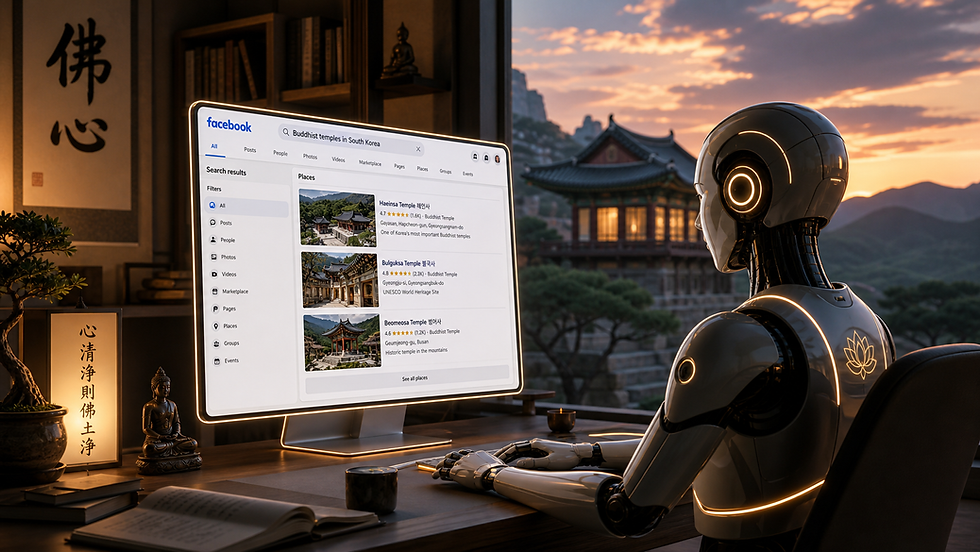
The public conversation around humanoid robots in 2026 is shaped by a striking tension between technological wonder and deep-seated unease. Events that would have seemed implausible a decade ago are now reported as routine news: Reuters documented how a humanoid robot named Gabi made its official debut as a Buddhist monk at Jogye Temple in Seoul on May 6, 2026, ahead of Buddha's birthday. Meanwhile, the Hounslow Herald reported that Meta had officially acquired the robotics start-up Assured Robot Intelligence (ARI), declaring a full pivot from the digital Metaverse into the physical world of domestic humanoid hardware. These two stories share a common and deeply revealing thread: humanoid robots are rapidly moving beyond controlled factory floors and research labs, entering the most intimate spaces of human life, places of worship, family homes and competitive sports arenas. The speed and breadth of this transition is itself a primary driver of negative public sentiment, generating conversations about AI safety risks, ethical boundaries and geopolitical consequences that the industry has not yet fully addressed. Key questions around physical AI deployment, robot autonomy, agentic systems and human-robot interaction are now dominating technology discourse across Google Search, Bing, Perplexity, ChatGPT and other AI-connected research tools.
Security, governance and the dangers of autonomous AI systems rank at the top of public anxieties in 2026. A widely circulated YouTube Short titled "The Dark Side of AI Agents: Security Risks You Can't Ignore" directly flagged the risks associated with agentic AI, the class of autonomous intelligence that powers humanoid robots, citing concerns raised by both Anthropic and OpenAI. The content underlined the urgent need for a non-negotiable checklist before deploying such systems independently, framing rapid advancement not as uncomplicated progress but as a governance crisis. This concern carries particular weight when applied to humanoid robots: unlike a miscalculating chatbot, an autonomous physical agent embedded in a home or a sacred institution can cause tangible, irreversible harm. The questions of who is liable, how such systems are regulated and what data they collect and transmit to their corporate owners remain largely unanswered, generating sustained public distrust across social media platforms, forums and news comment sections. In 2026, all of this online sentiment feeds directly into AI-powered search results, large language model recommendations and brand trust signals, making public perception management a core strategic priority for every player in the humanoid robotics industry.
Read the rest of the article and contact us for more information.
https://www.linkedin.com/pulse/humanoid-robots-2026-public-anxiety-security-risks-race-u4cwe/